Oslo Løa Interactive: Exploring layers of Fjørd waste problem
Deliverables: Digital screen-based experience
Project Type: Final semester project at AHO
Team: Siddharth Kothiyal(me), Luca Verde
Scope: Interaction Design, Art direction, Infographics, Storytelling
Business goal
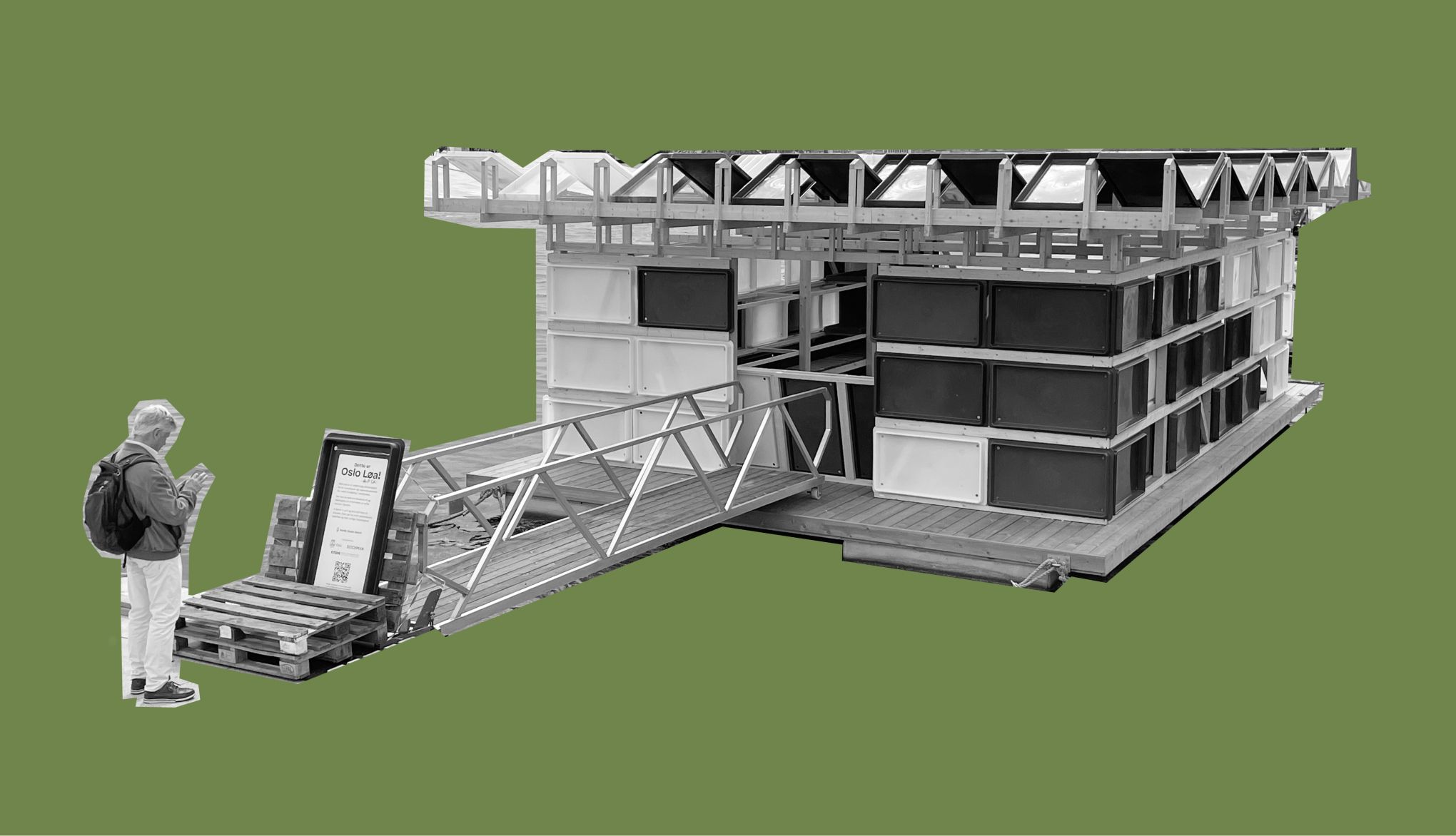
Nordic Ocean Watch and Lokalt Byrå wanted to create a digital communication platform for Oslo Løa, a floating pavilion structure in the Oslofjord. The key impact Lokalt Byrå wished to achieve was to provide the public with a better understanding of the sources of litter to find local solutions.
Design Process
01/ Research & Ideation
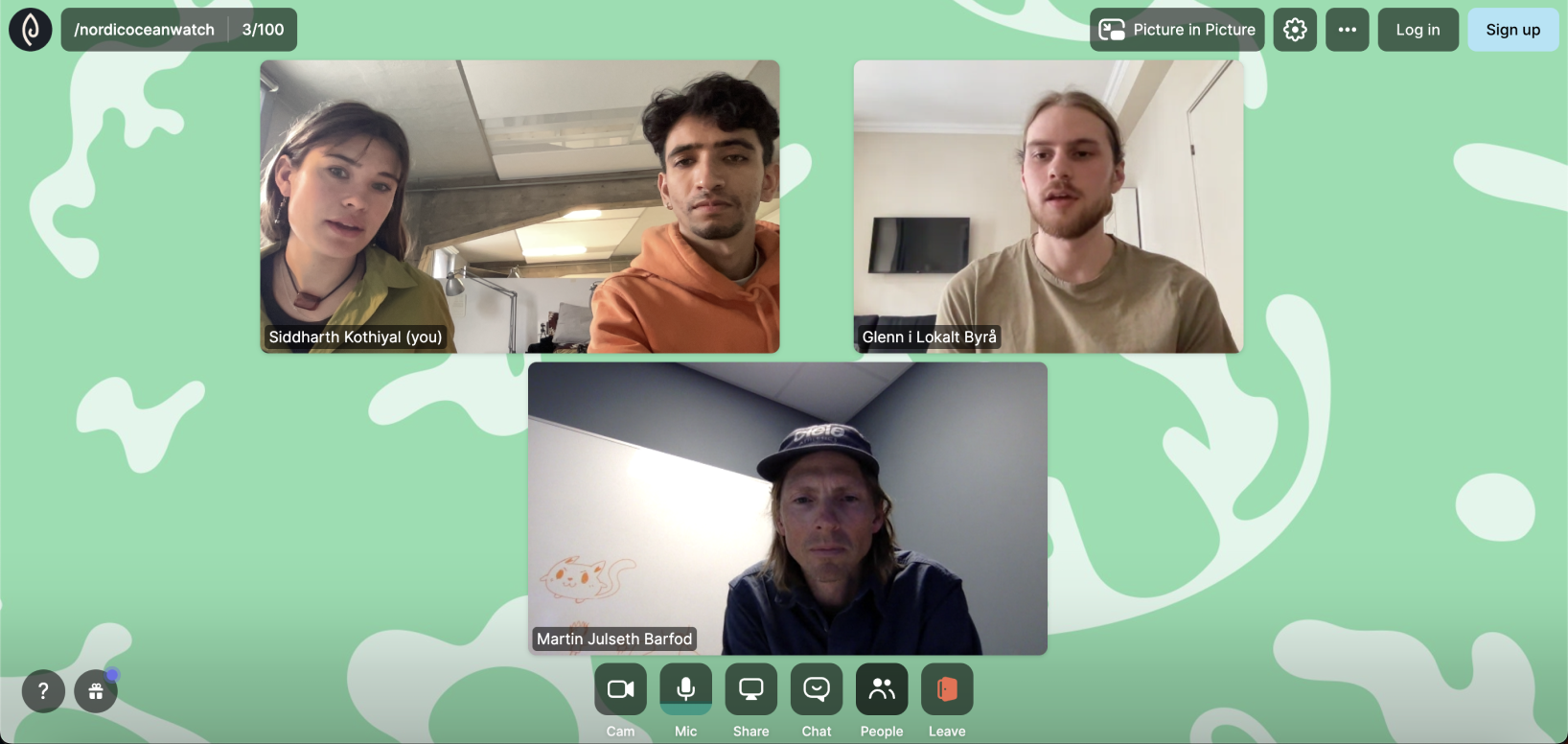
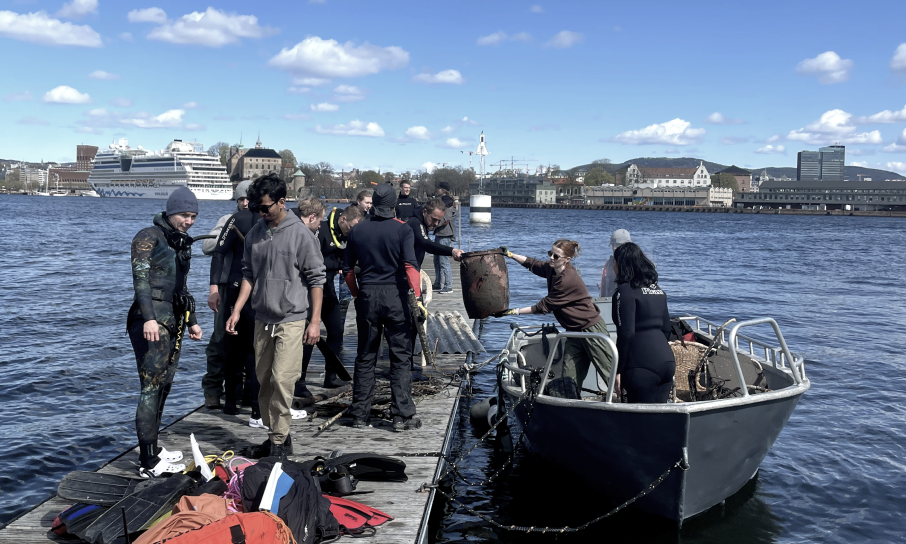
We started by reviewing the vision and initial strategy that Nordic Ocean Watch and Lokalt Byrå had. We had several rounds of meetings and kept them highly engaged in various stages of the project. We also visited Fjord CleanUP, Oslo’s biggest volunteer cleaning initiative, to get more perspective on marine litter.
02/ Flow Mapping
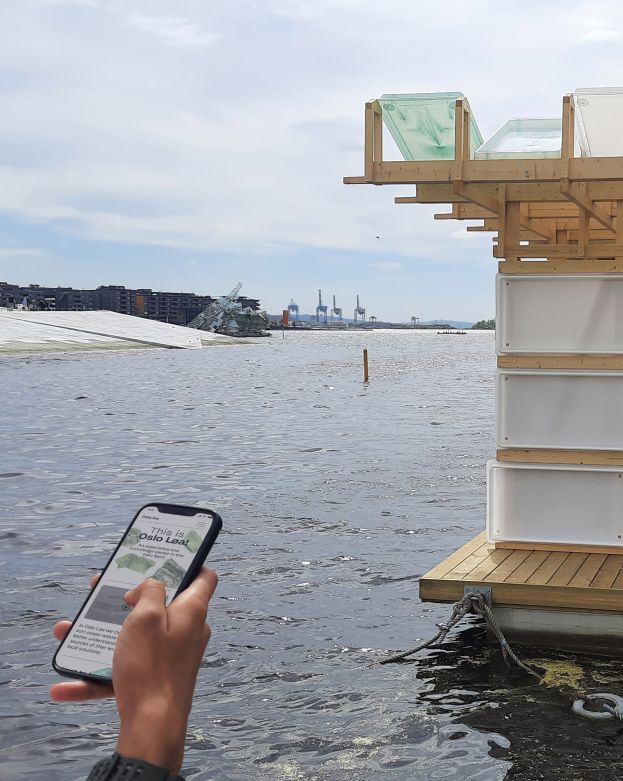
We brainstormed ideas to land on the ideal tone of voice that aligns with how the user journey begins in the given context. The structure is located in the middle of a popular public and tourist spot, right next to the Oslo Opera House. We identified the need to make it a low-threshold experience for entry, like a QR code for a mobile-based experience. We also figured that since it will end up being a short experience, we need to balance interactivity and storytelling.
03/ Conceptual framework
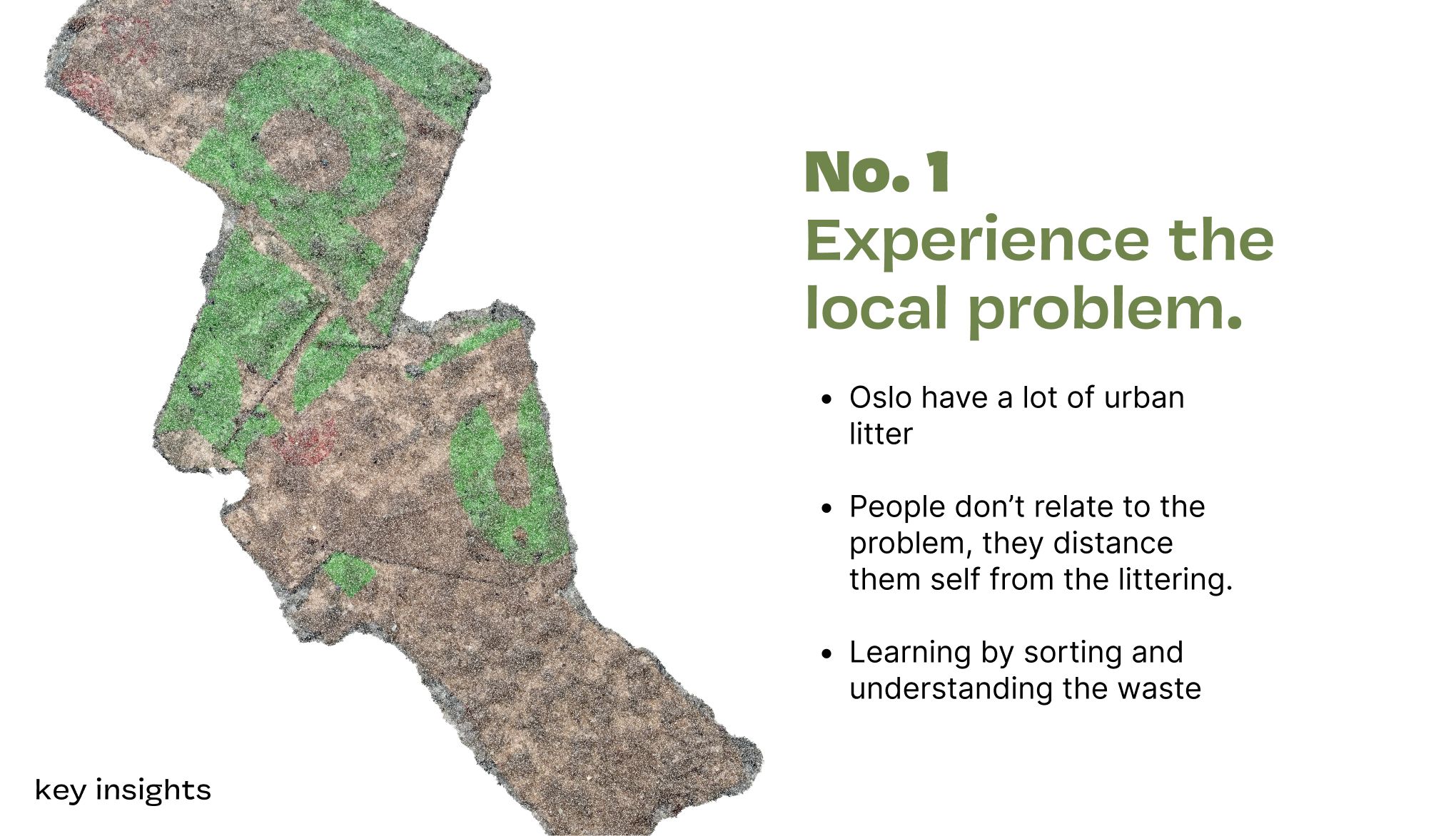
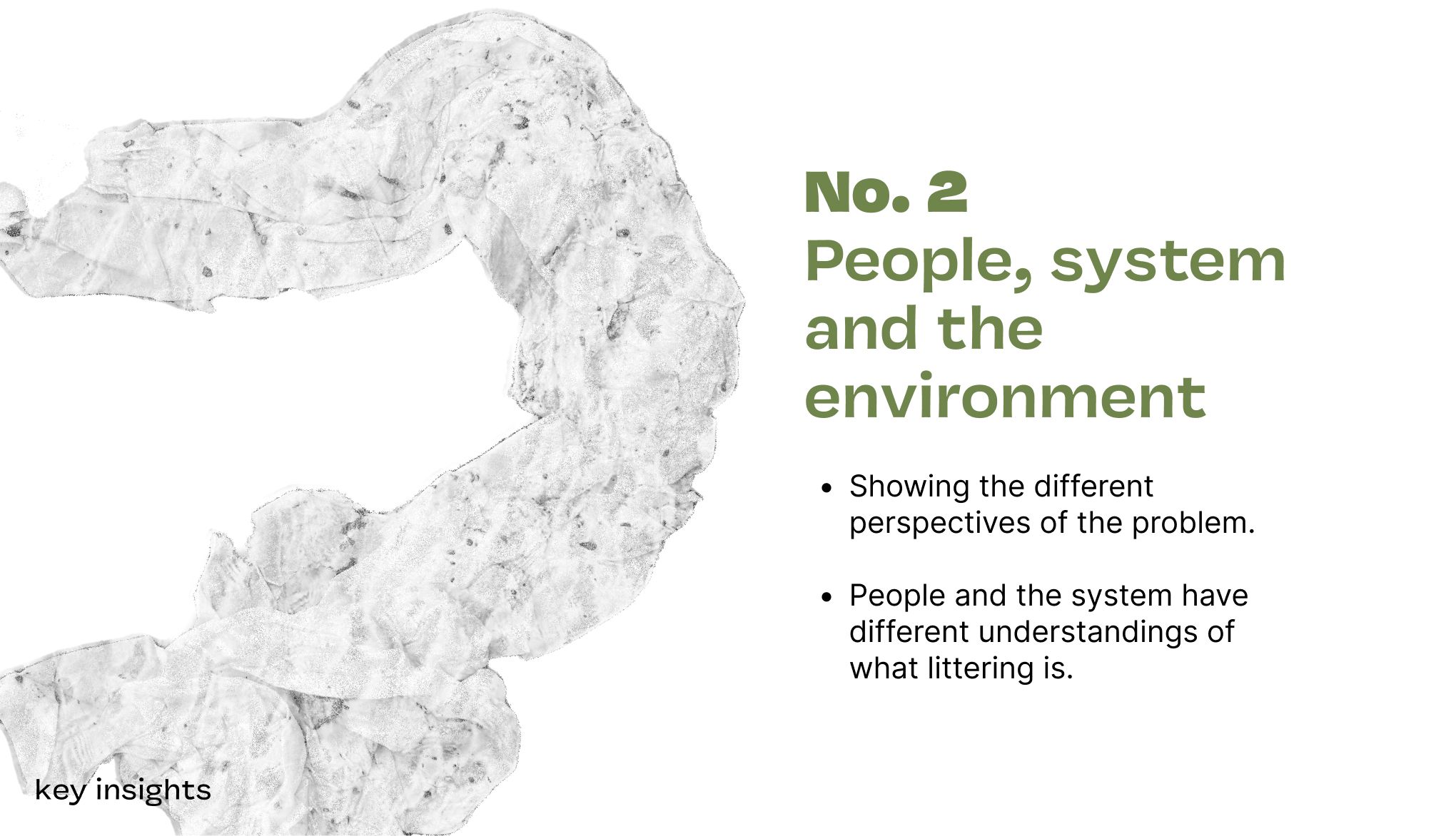
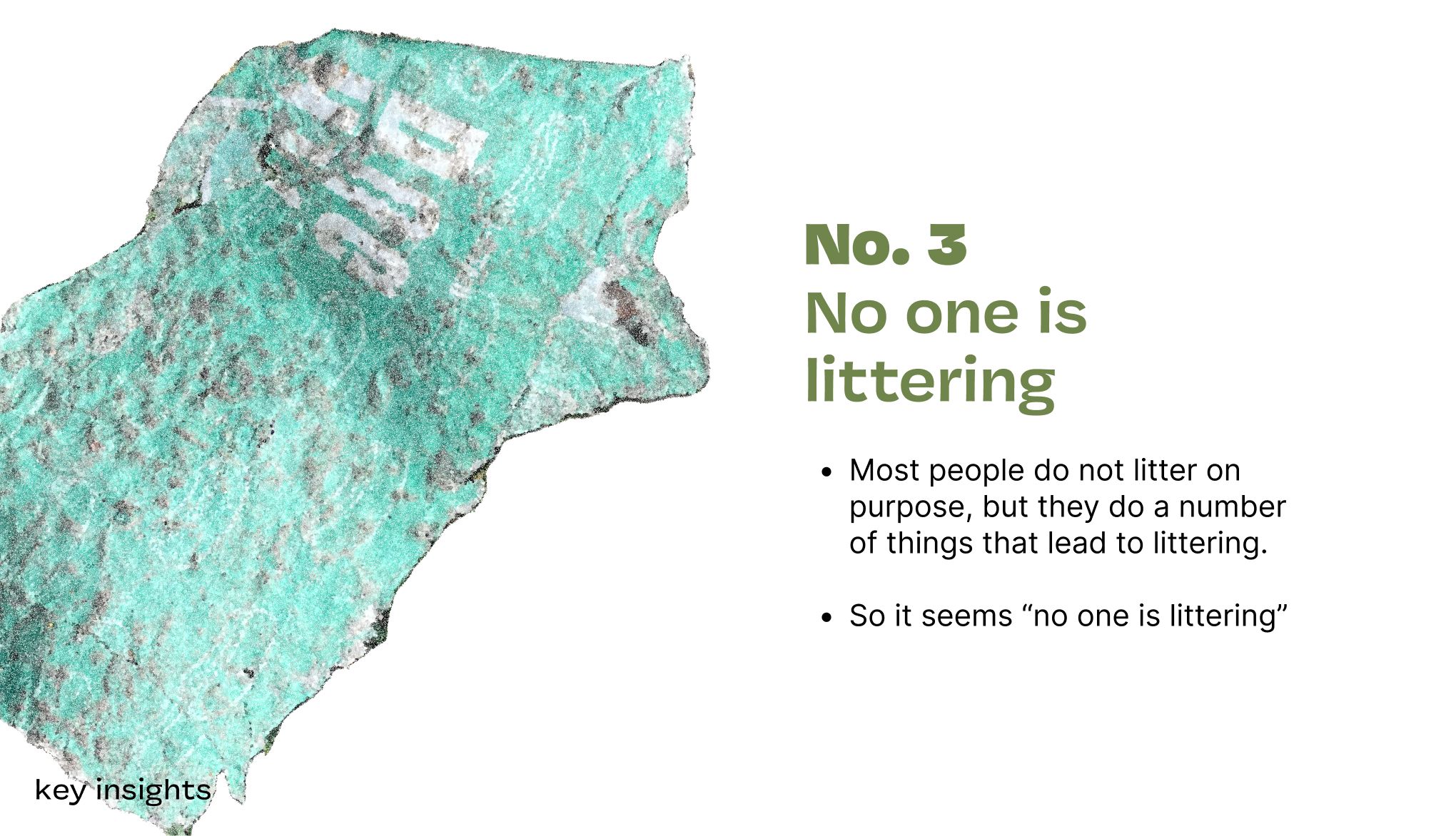
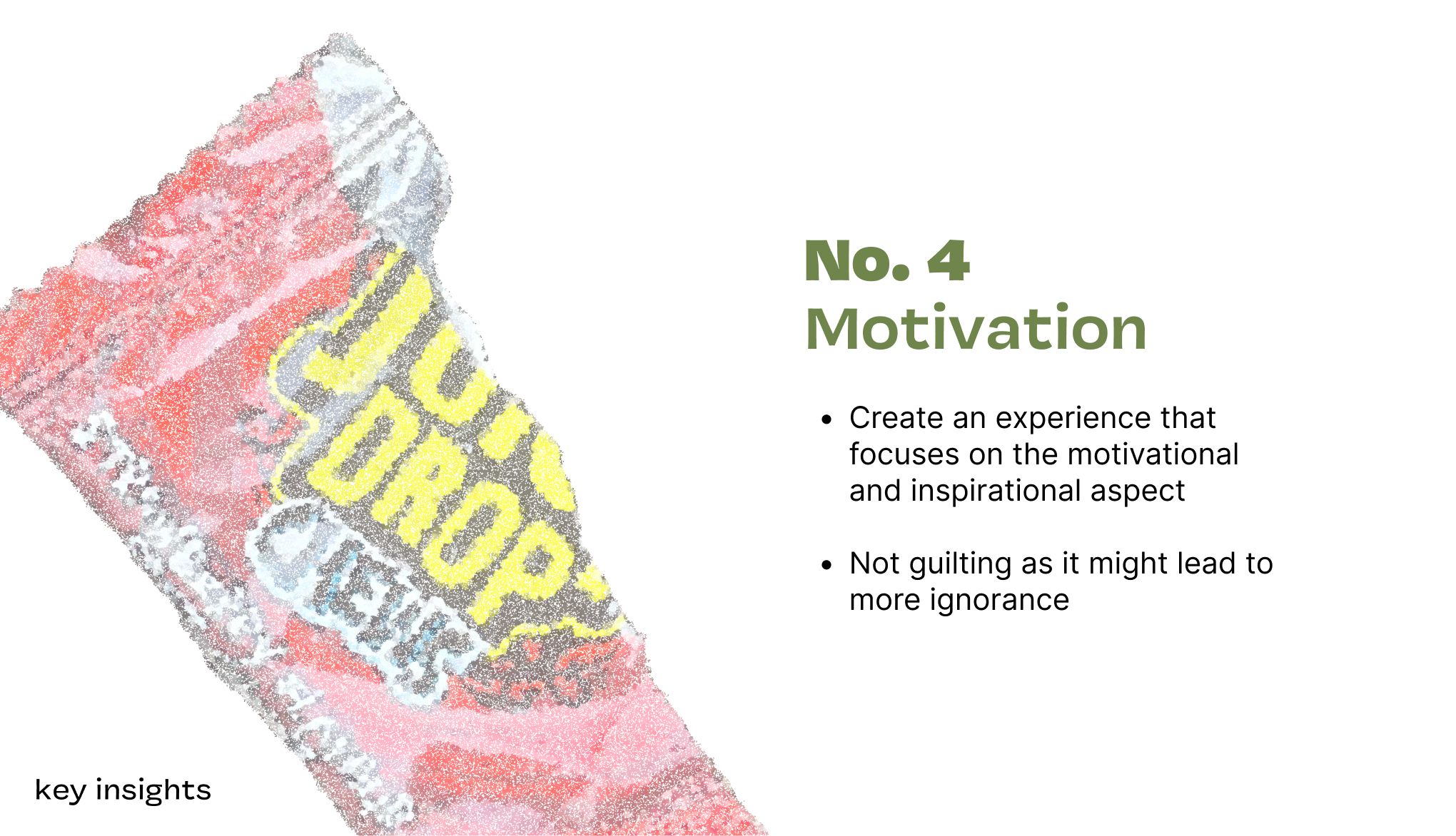
Based on the practicalities, a framework of key research insights was selected to approach and guide our design concepts.
- How might we localise the problem for people to make an impact?
- The problem was much bigger and systemic- How might we show this?
- How might we uncover the unintentional ways that lead to marine littering?
- How might we make the whole experience motivating and hopeful so people would wanna contribute?
04/ Concept Designs
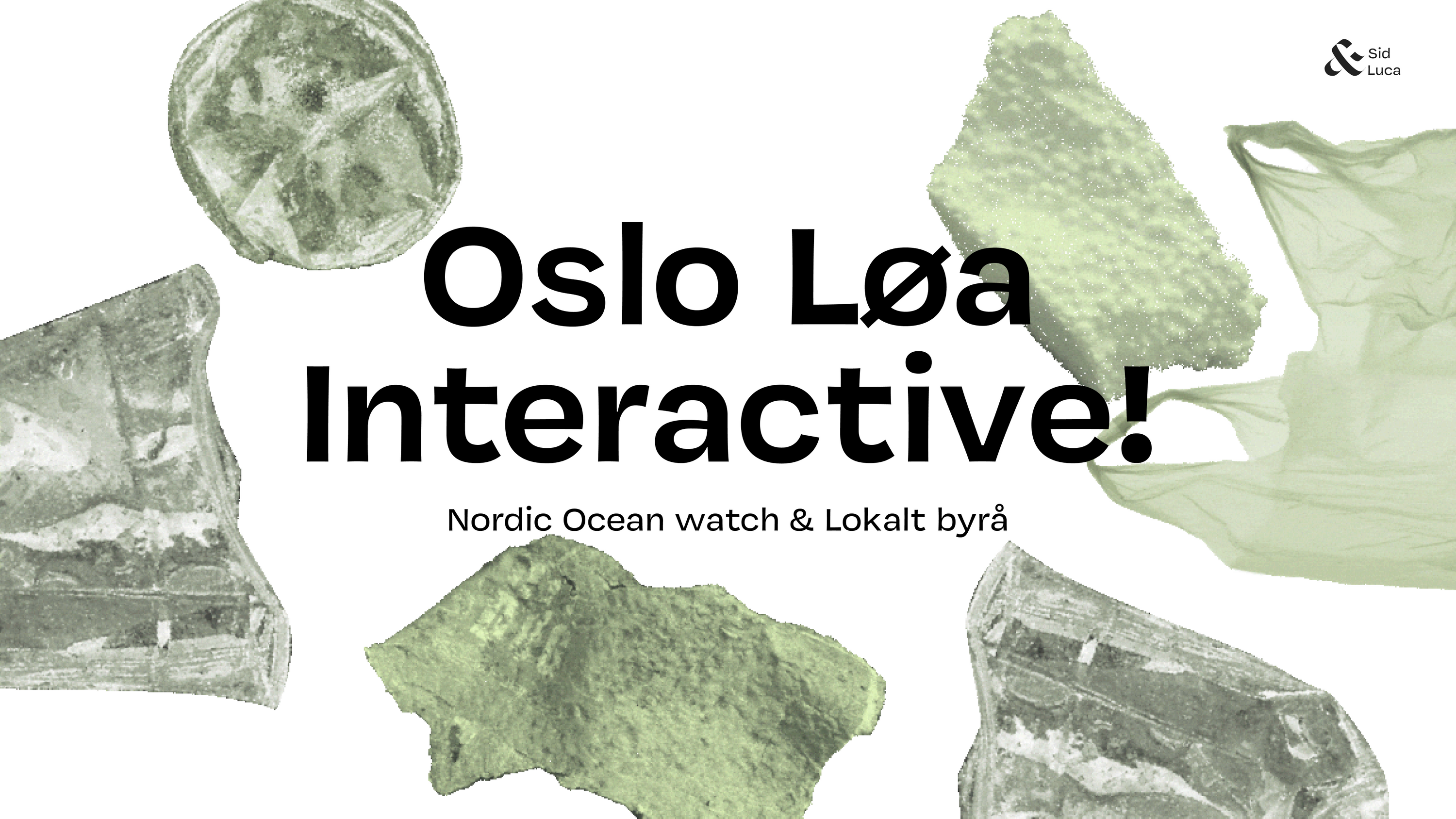
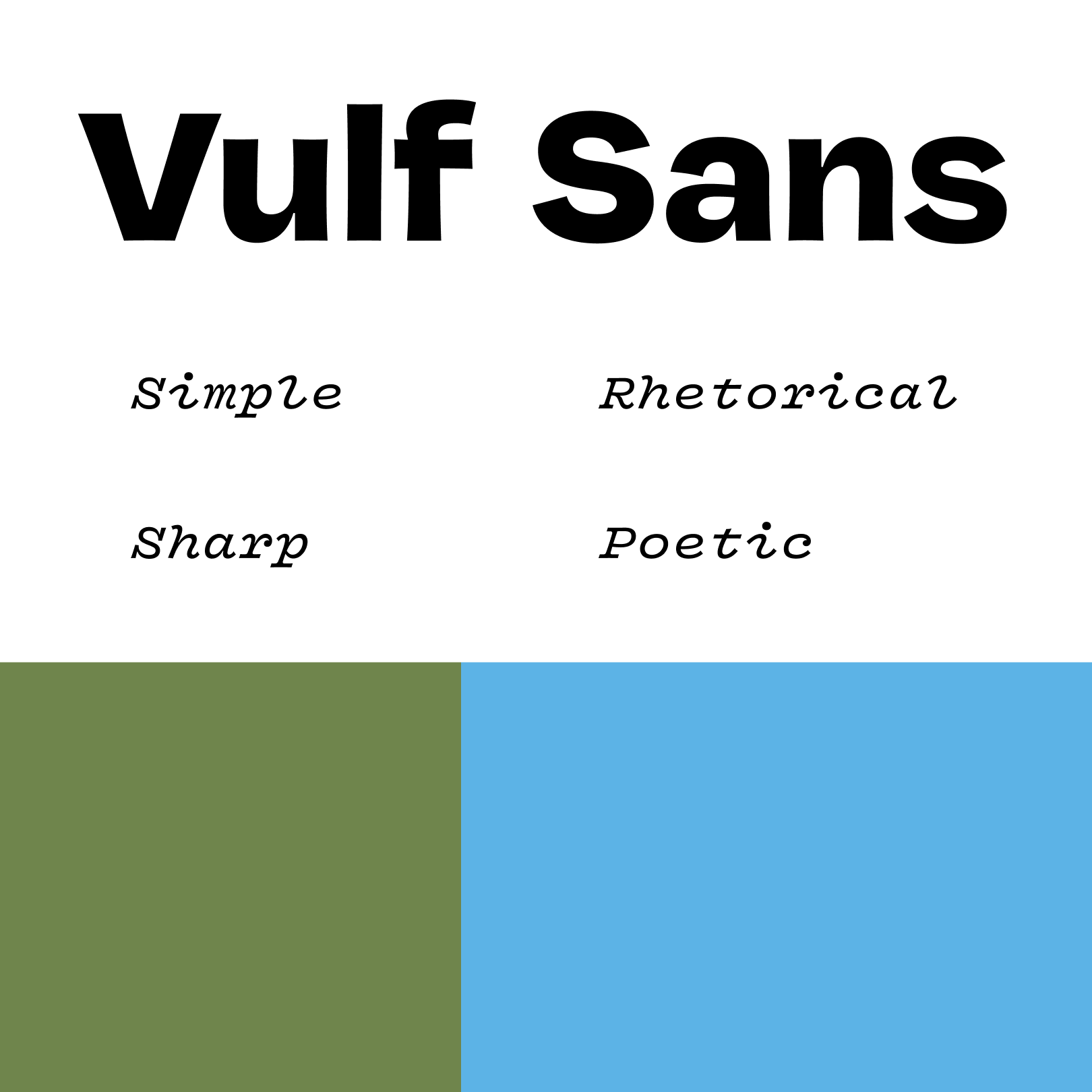
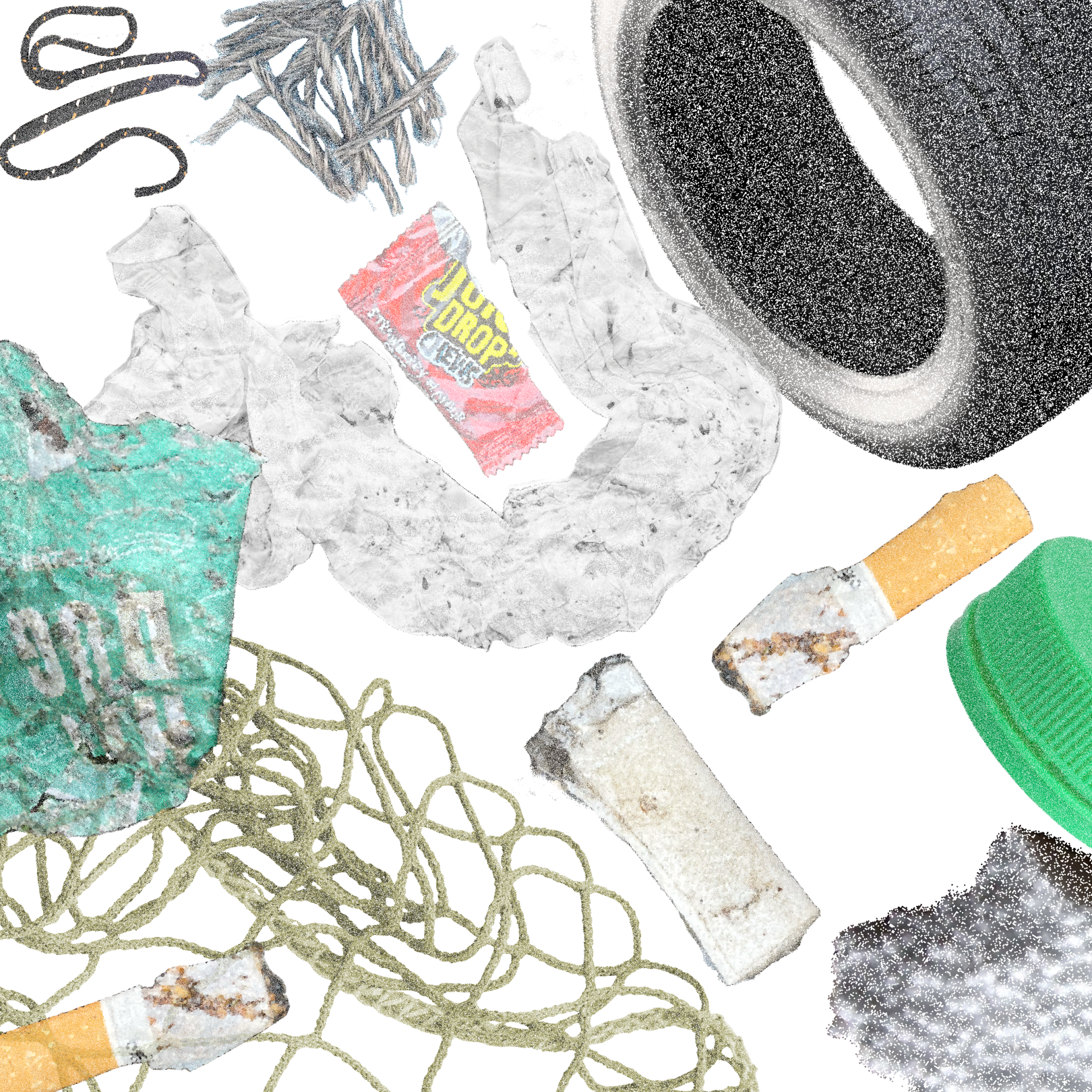
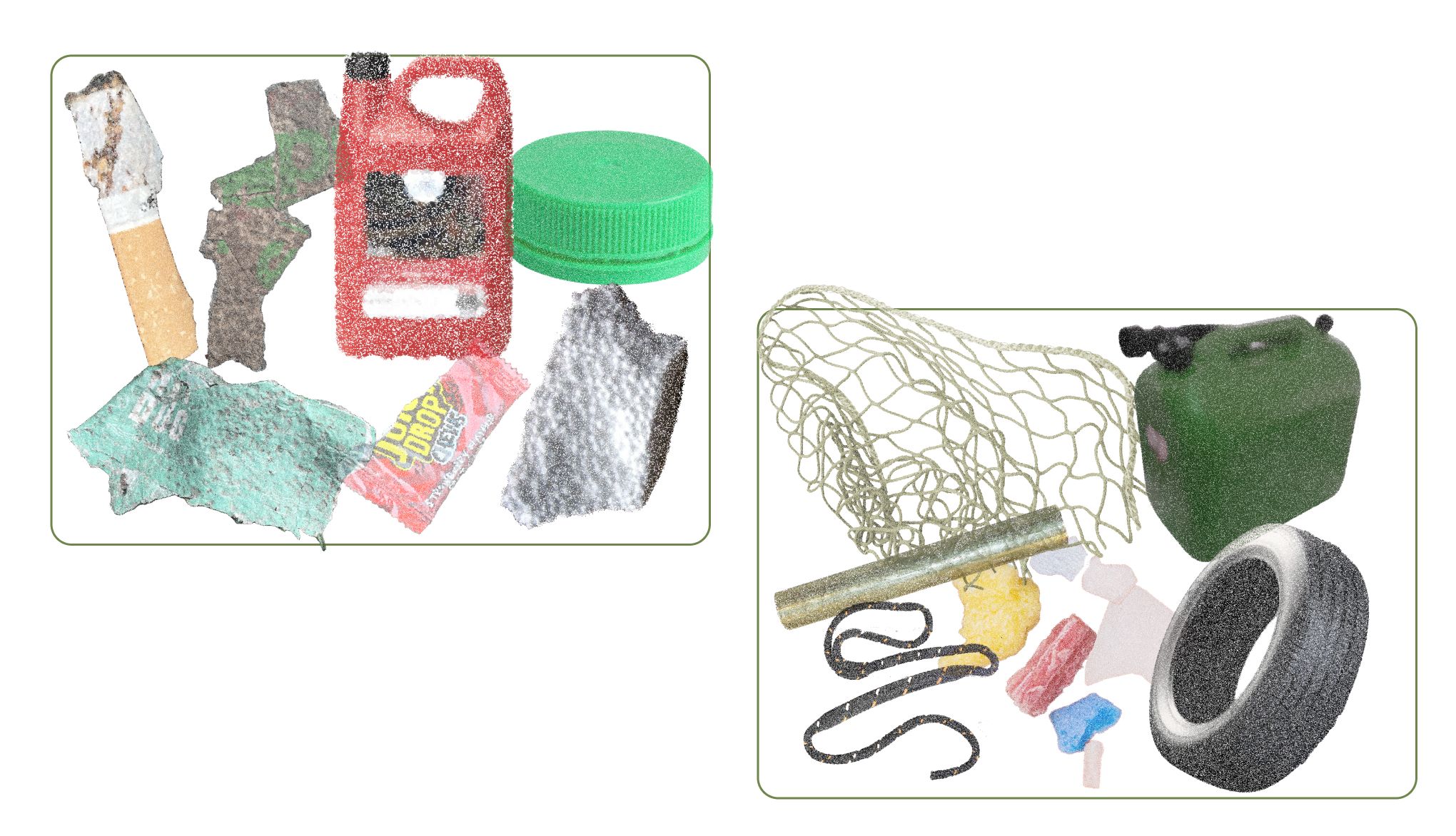
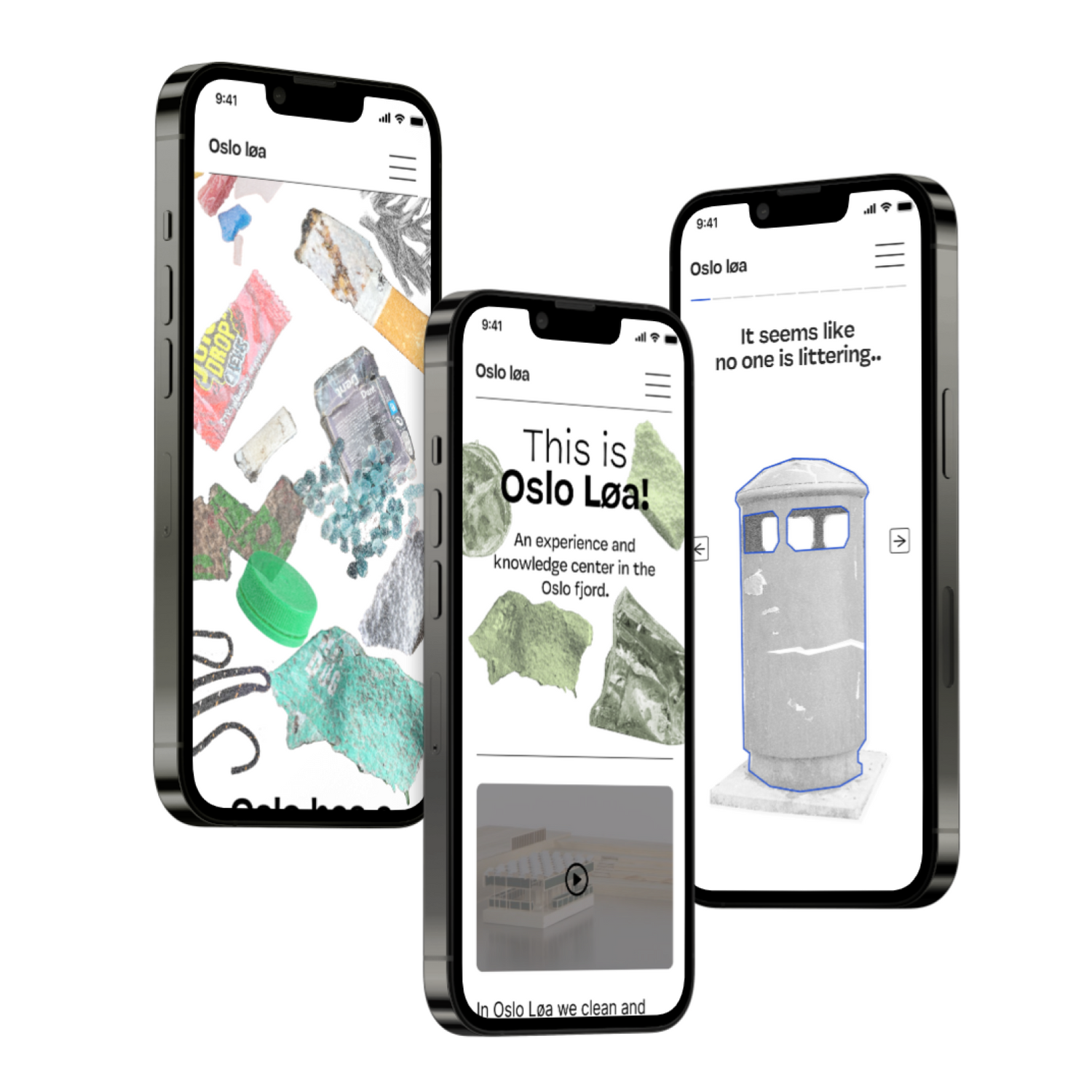
We wanted to make users relate to the waste problem by exploring realistic waste images, which not only gives a tactile feel but also sets the aesthetic tone for the communication. Colours, typography, layouts and animation were aligned to highlight the problem and the potential solution
- The floating waste in the fjord.
- The contrast between “dirty green” for waste and “light serene blue” for the ocean.
05/ User testing and feedback synthesis
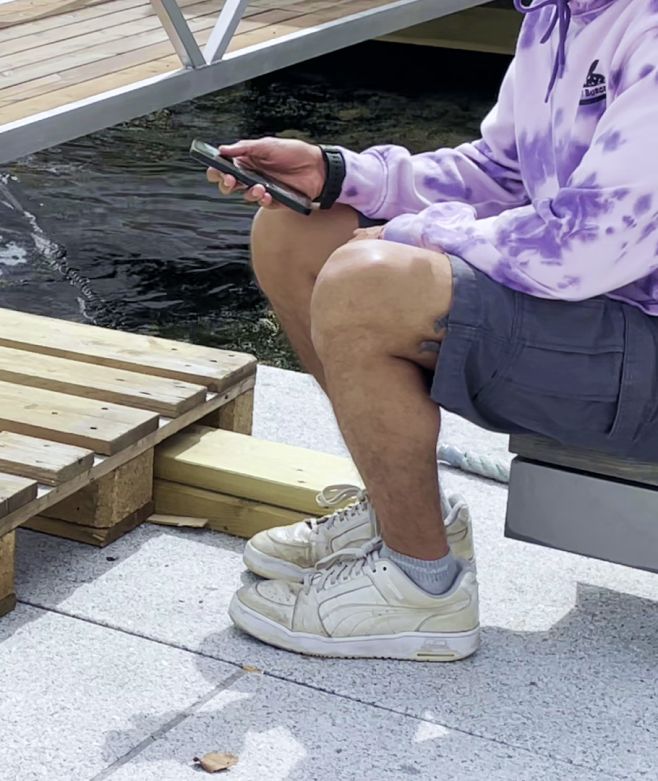
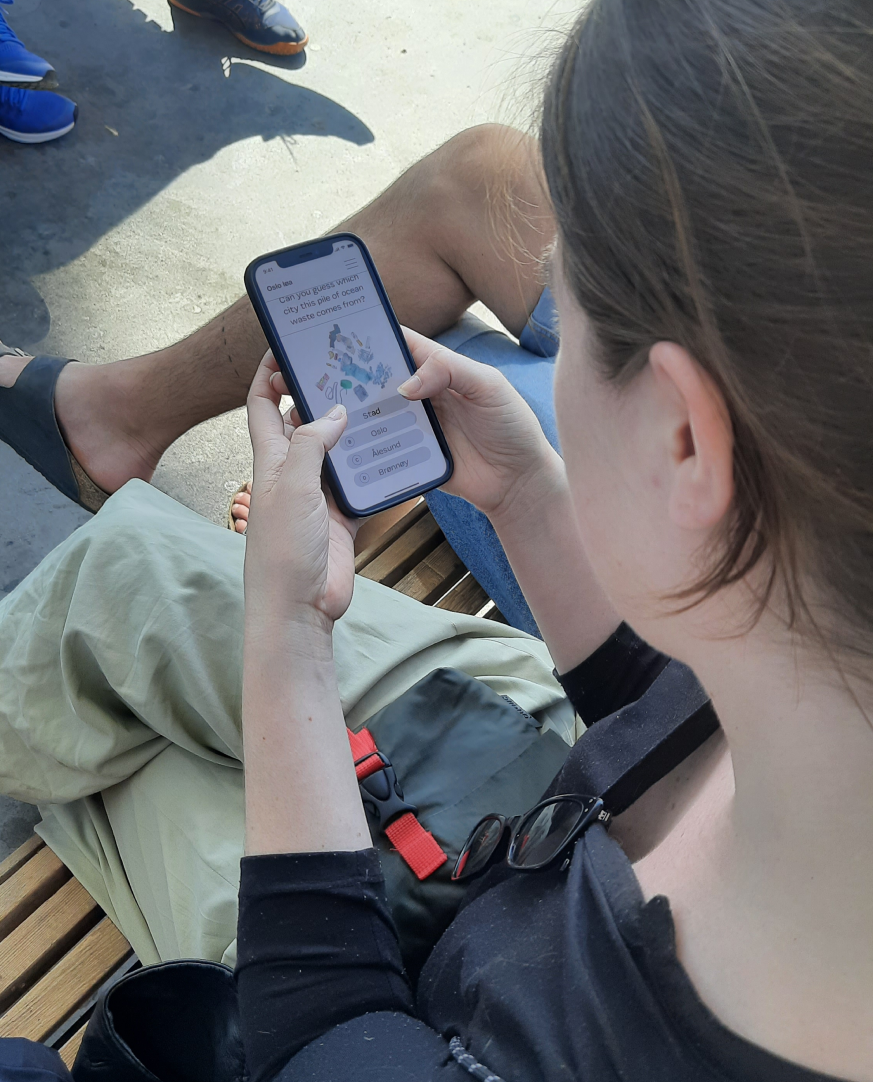
We did some early user testing on our concept right outside the Oslo Løa construction, picking up on our intended entry flow for people who already seemed curious about the structure. This was a mixed group of adults in different age groups. We were able to capture a lot of well-articulated feedback from young adult users, which led us to some important considerations to weigh in, like the outdoor lighting conditions that influenced the digital experience. This led to choices like bolder graphics and an interface designed for a short-term attention cycle.
06/ Final design
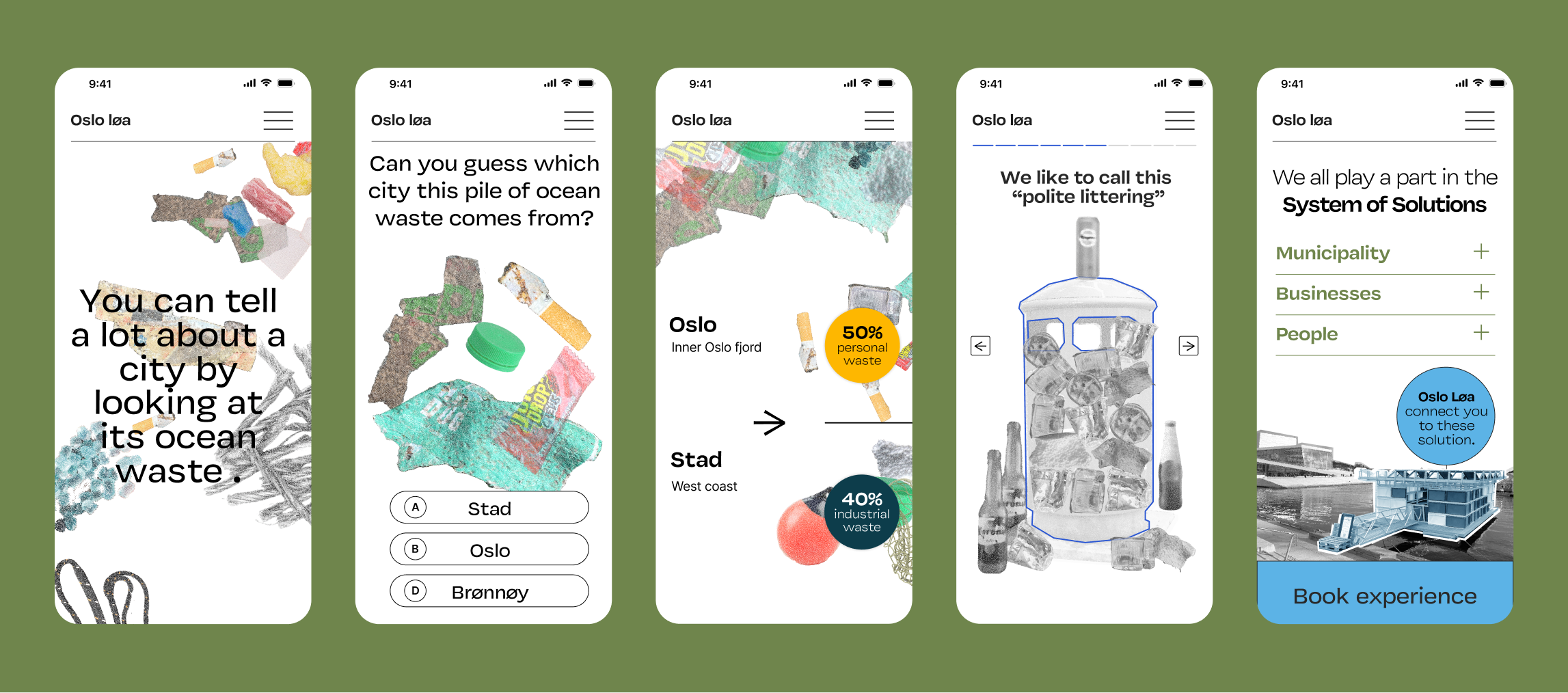
The final design was kept limited to a mobile phone for an easy entry point. It was a guided digital experience divided into 3 parts. The animation was added to waste images to set the theme of marine litter floating in the fjord. We use a lot of local storytelling, for example, using the scenario of a trash bin in Oslo and how it ends up in the Fjord. The buildup from the first and second parts is concluded in the end to make sense of Oslo Løa's purpose and how they can be part of the solution.
Implementation and reflection
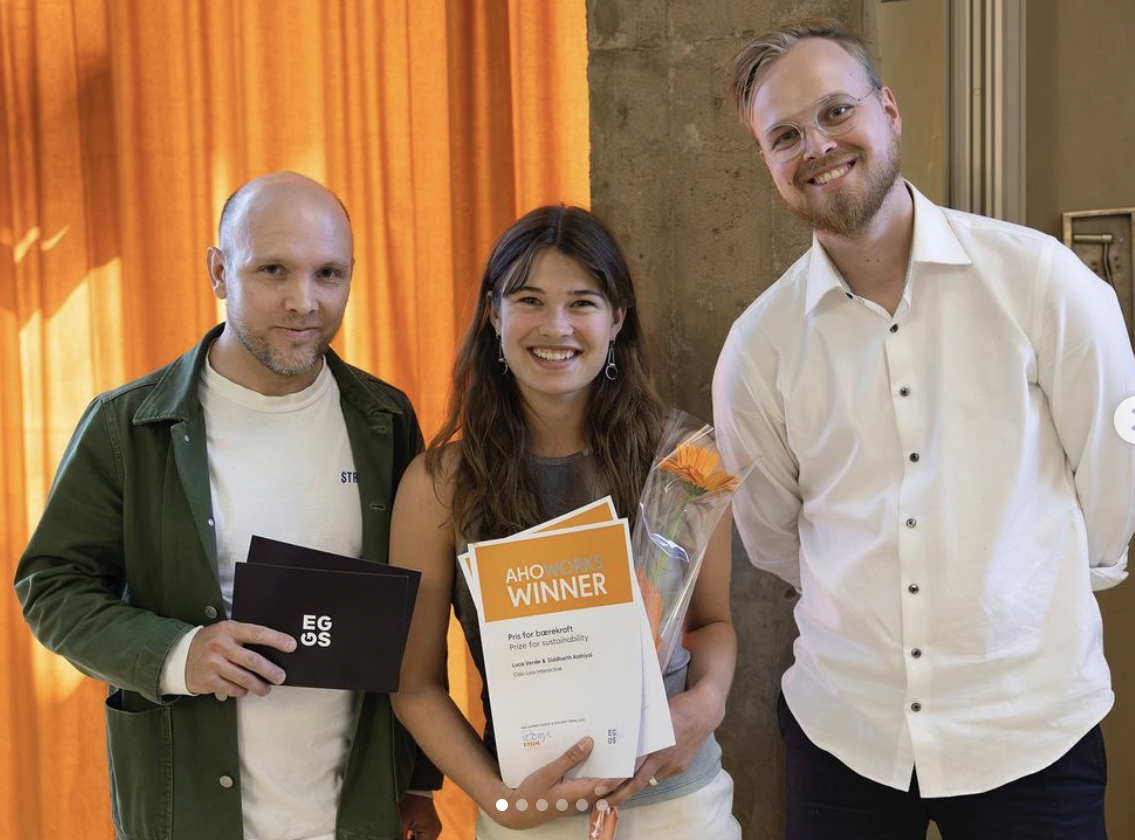
Since it was a short school project, the technical challenges with implementation were avoided. But during the design process, we consulted a developer in our social network about which design choices to avoid. We won the AHO Design awards for this project. It was sponsored by Eggs Design, who gave us the following feedback:
“This project was handed over to Lokalt Byrå for implementation. The goal of this particular project was to raise awareness about collecting urban litter in the waters around Oslo. A problem that they found, people are distancing themselves from. How do you deal with something that nobody acknowledges they are a part of?
They have managed to take a large dataset on littering and made it engaging and stimulating to design with by shaping the stories of people who are in contact with this issue, showing an impressive subtlety with not only design methodology, but also storytelling and communicating complexity. Instead of stigmatising our behaviours around littering, Luca and Siddarth reframed this problem into a challenge with hopefulness.
Congratulations to Luca & Siddharth 🎉”